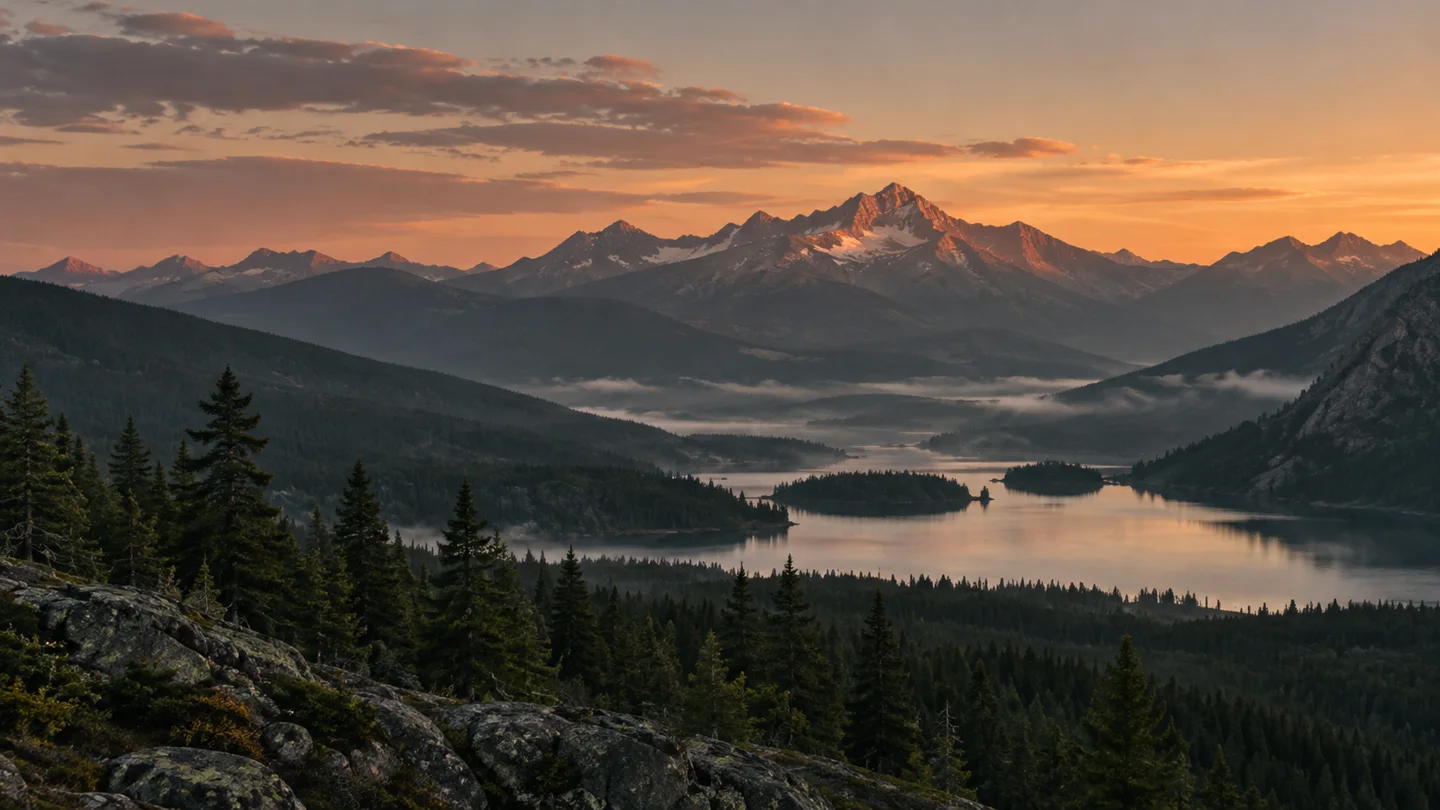
A day on the road
A day has a rhythm, not a script. There is movement, conversation, room for quiet and time to return to what matters with the same guide beside you.
First light
First light: start where you are
Some mornings begin with a conversation. Others need breakfast, a little quiet or a walk before anything comes into focus. Your guide is interested in what is present, including a question left open the night before or a change in how something feels.
You do not need to present an account of progress. An unsettled morning is useful information too. It can help shape the pace, the setting and the amount of activity that day.
The first part of the day gives you time to notice what you are carrying before the world starts making demands. A thought that arrived overnight might become the thread of the morning. It might also need time without being questioned immediately.
In motion
In motion: conversation has room to move
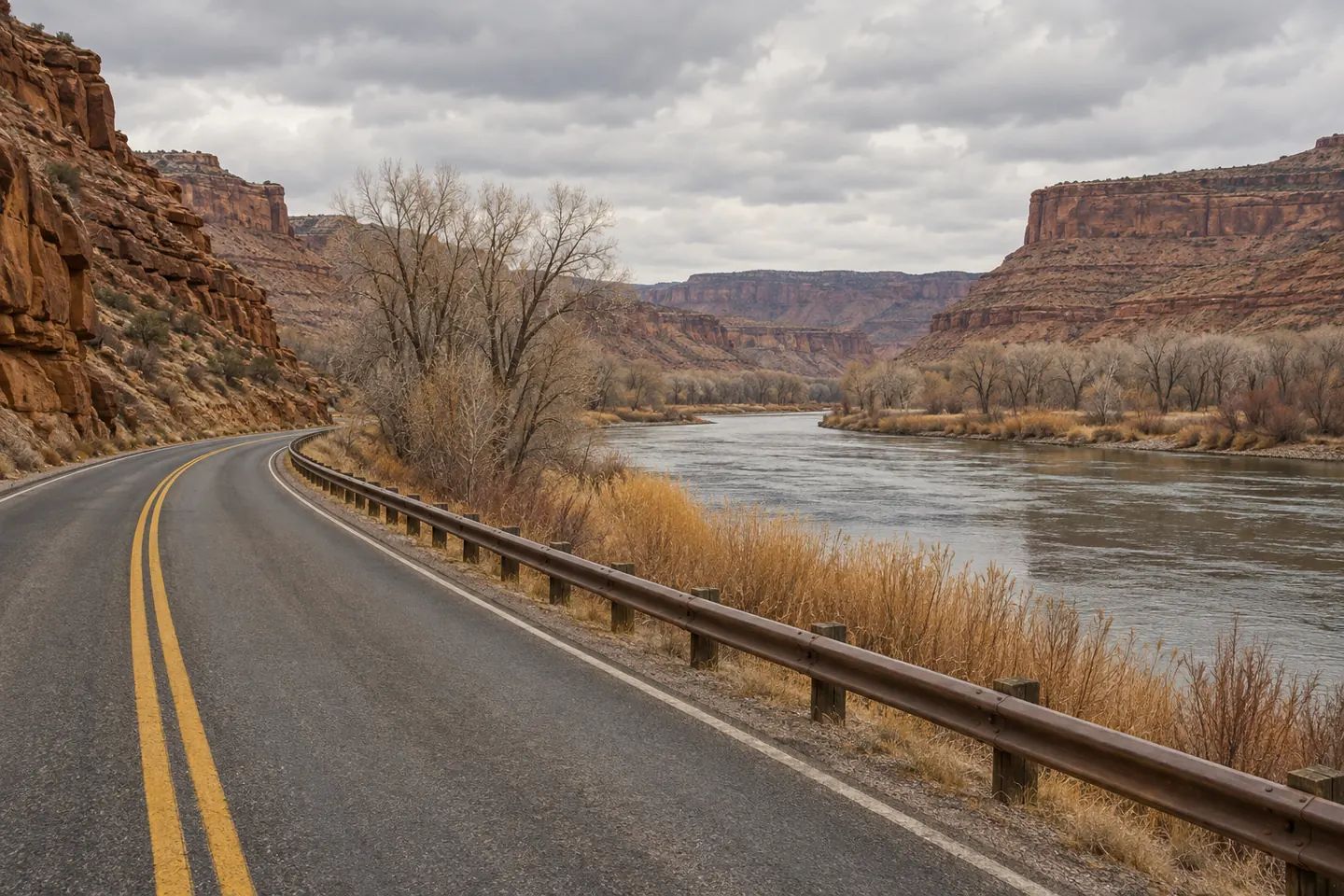
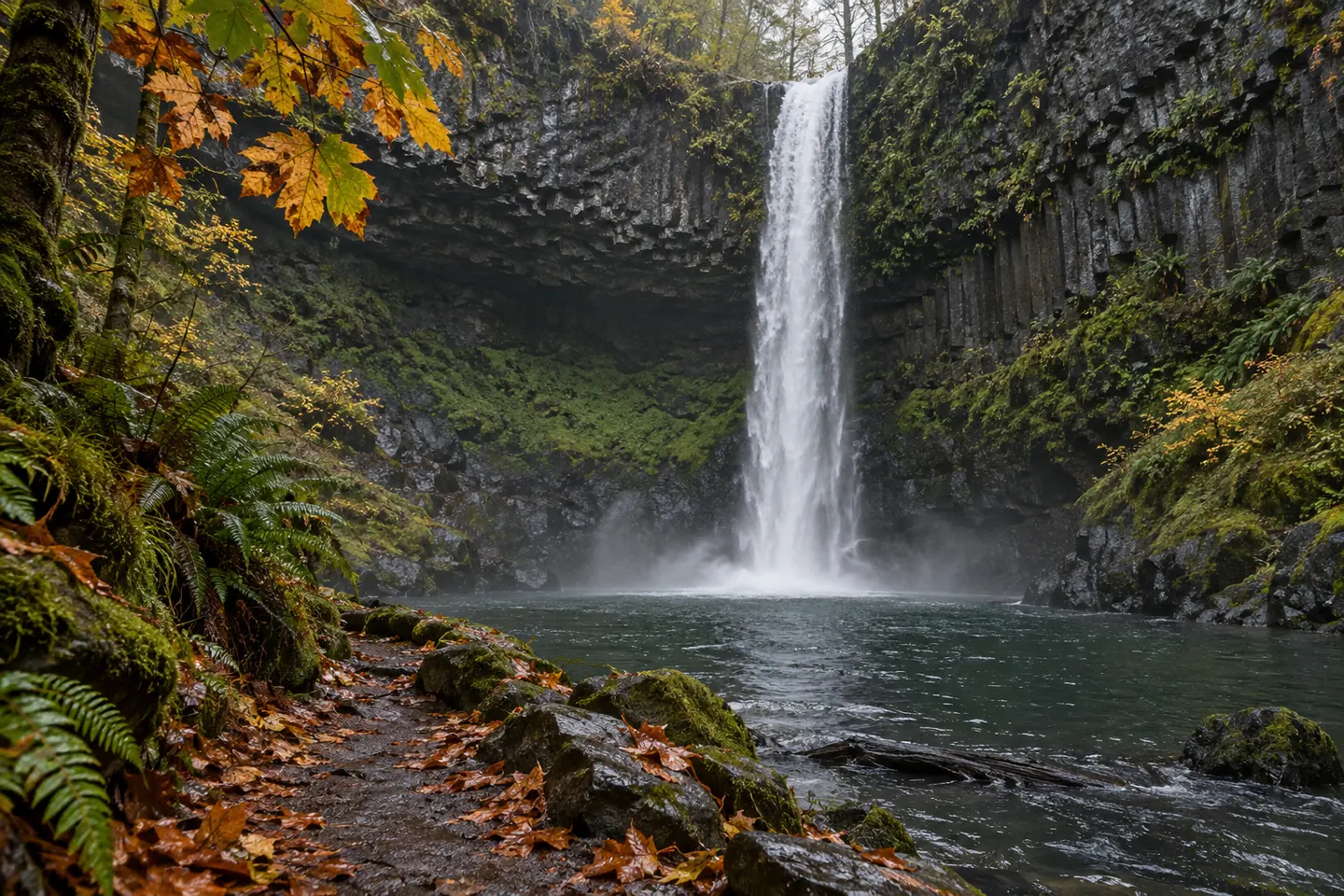
A shoreline walk, a drive or a trail provides a shared direction without requiring continuous eye contact. You can talk, notice the surroundings and let the conversation fall quiet. Your guide remains involved even when nobody is speaking. Sessions take place in private natural places chosen for their quiet.
The subject does not have to fit a scheduled hour. Something difficult can be approached gradually, set aside and picked up again. The same person remembers what you said and what was happening when you said it.
Physical movement also changes what the moment asks of your attention. You register the path, choose where to step and respond to the pace. Your guide explores whether a familiar concern feels different while you are moving, and what that difference reveals.
Along the way
Along the way: work with what happens
The day brings decisions that are small enough to overlook and immediate enough to work with: a change of direction, disappointment with a plan, the difficulty of saying you need a break. It also brings an anxious forecast at breakfast, a craving in the late afternoon or the conviction that nothing will change. Your guide works with these experiences as they arise and understands what has already happened that day.
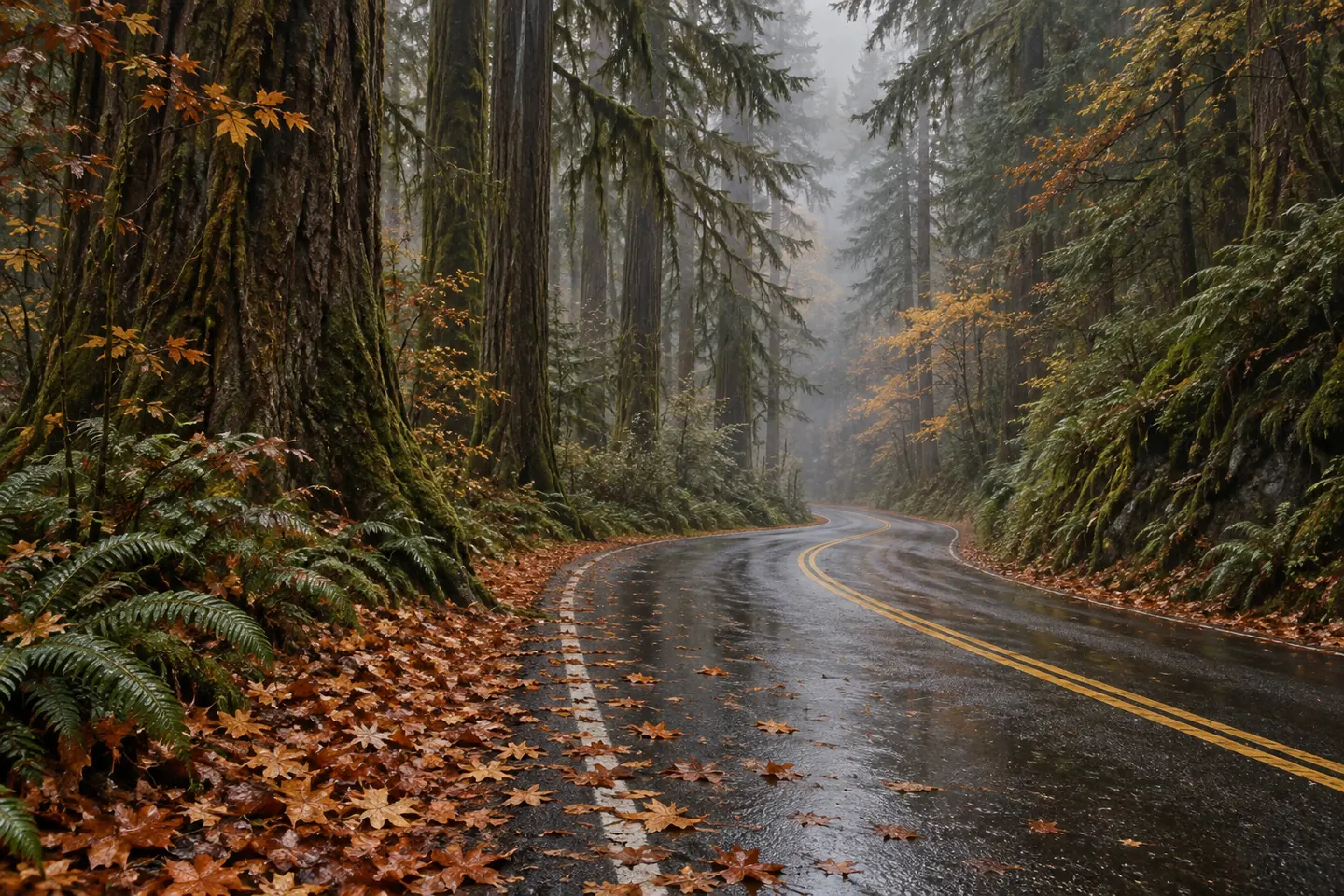
Three things shape the day and can change as it unfolds: the direction you choose next, the conditions you meet, from weather and terrain to what is available, and the effort the activity asks of you at that point.
The response is practical: take another route, shorten a walk, stop somewhere sheltered or reconsider the plan. The conversation can explore what that adjustment means to you. An ordinary change becomes an opportunity to notice expectations and exercise choice without manufacturing a test.
Afternoon light
Afternoon light: leave room for another view
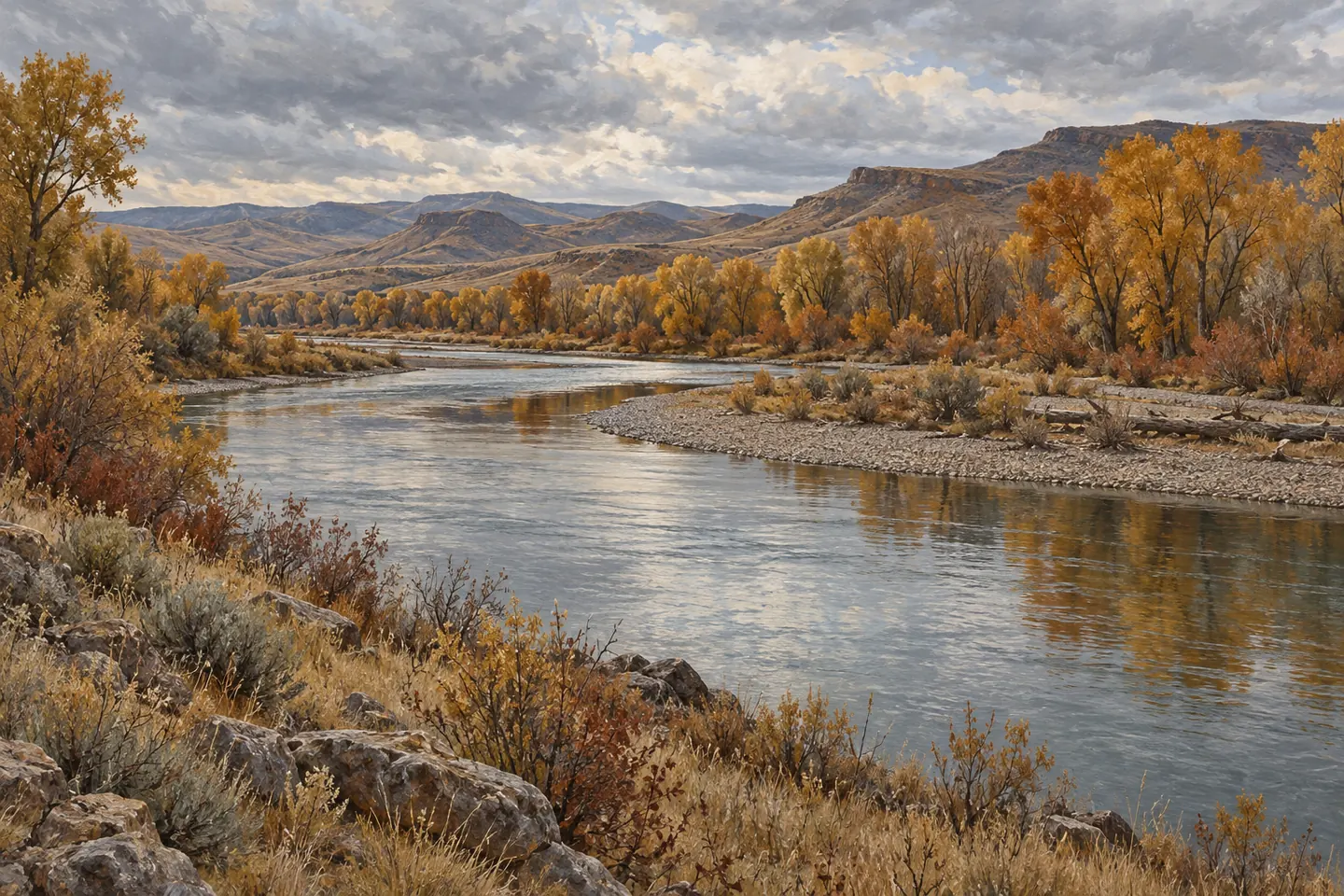
Later in the day, a subject from the morning may have lost some of its urgency or taken a different shape. Time, a meal, movement and a change of setting become part of the context in which you revisit it.
Your guide asks what changed in your experience, not simply whether you feel better. You may be able to describe a concern more precisely, or an assumption may look less certain. The issue may feel just as difficult while you are less hurried to get away from it.
There is also room to be quiet and enjoy where you are. There is no requirement for constant self-examination. An open view, the sound of water or time without a demand to explain yourself belongs in the day too.
Integration
Integration: let the day settle
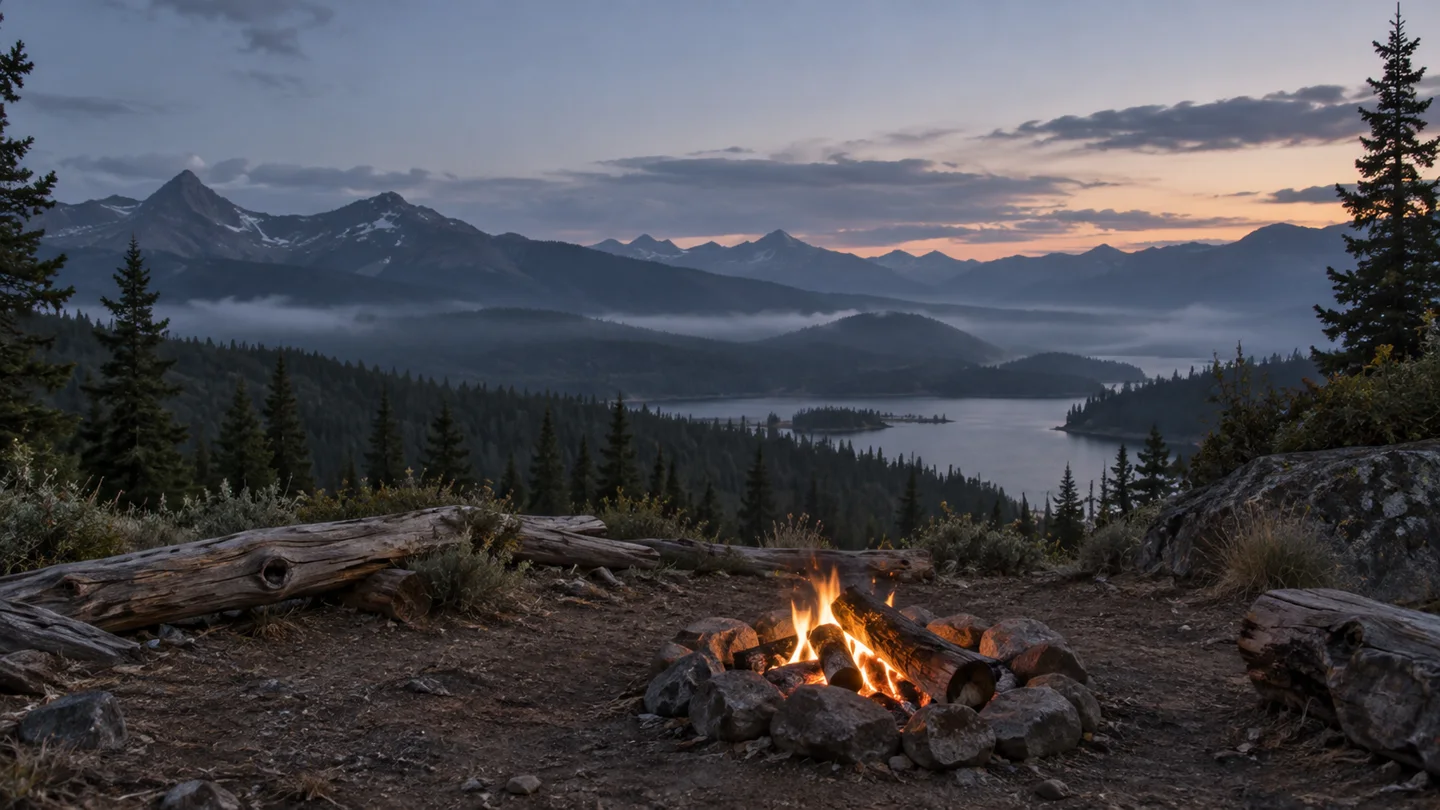
Evening slows the pace. It may bring a meal, a conversation near a fire or quiet time at your accommodation. You and your guide can return to a decision or a reaction while the circumstances are still familiar.
Integration means making sense of what you encountered. What did you notice? What was harder than expected? What happened when you tried a different response? Your guide helps connect those observations without demanding a conclusion for every feeling.
Unfinished questions can stay unfinished. A continuous relationship makes it possible to rest and pick up the thread tomorrow. You are not starting again with someone new, and the day does not have to end with a breakthrough to have been worthwhile.
The rhythm is adapted to you
Comfort is part of the design. A trip can be based at a resort or a private lodge with day hikes, or built around camping and longer excursions, and either way it is meant to be a special experience. Weather, physical needs and the work itself shape each day, and every trip is built around the person, so pace and direction vary.
See how the experience is planned → · Explore why the setting matters →